United Autosports endured a gruelling but resilient 2026 24 Hours of Le Mans, fielding two ORECA 07-Gibson entries. The #22 LMP2 in a unique ‘Racing for Diabetes’ livery helmed by Mikkel Jensen, Grégoire Saucy and Rasmus Lindh and the #222 Pro/Am car with Daniel Schneider, Oliver Jarvis and Ben Hanley, successfully navigated a nearly entirely green-flag, flat-out race. Although the team’s ambition was to be on the top step of the podium, 2026 wasn’t meant to be, however, the team’s two car entries crossed the finish line securing the teams eleventh consecutive finish within the top ten across the two categories, at the Le Mans 24 hours, securing P7 in LMP2 and P7 in LMP2 Pro/Am.
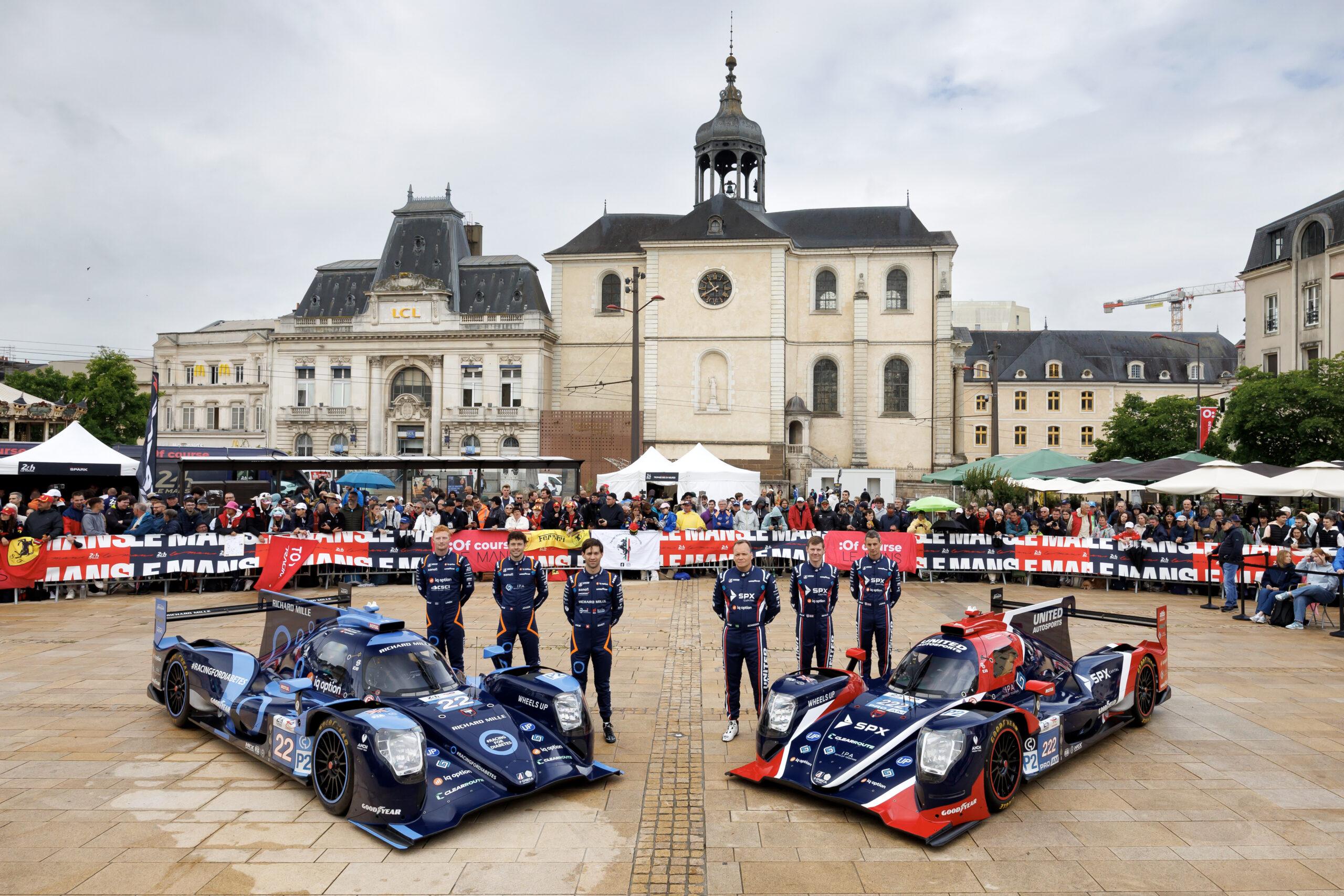
Before any of the 62 entries can take to the Circuit de la Sarthe, they must pass rigorous regulatory and safety checks at scrutineering, known as Le Pesage, a week before the start of the race. Unlike modern motorsport events, Le Pesage brings the spectacle directly to the fans, to have a firsthand experience with the cars and teams as they appear through the historic town centre, a tradition which has been happening since the inaugural 24 Hours of Le Mans in 1923 and attracts thousands of enthusiasts.
Before any of the 62 entries can take to the Circuit de la Sarthe, they must pass rigorous regulatory and safety checks at scrutineering, known as Le Pesage, a week before the start of the race. Unlike modern motorsport events, Le Pesage brings the spectacle directly to the fans, to have a firsthand experience with the cars and teams as they appear through the historic town centre, a tradition which has been happening since the inaugural 24 Hours of Le Mans in 1923 and attracts thousands of enthusiasts.
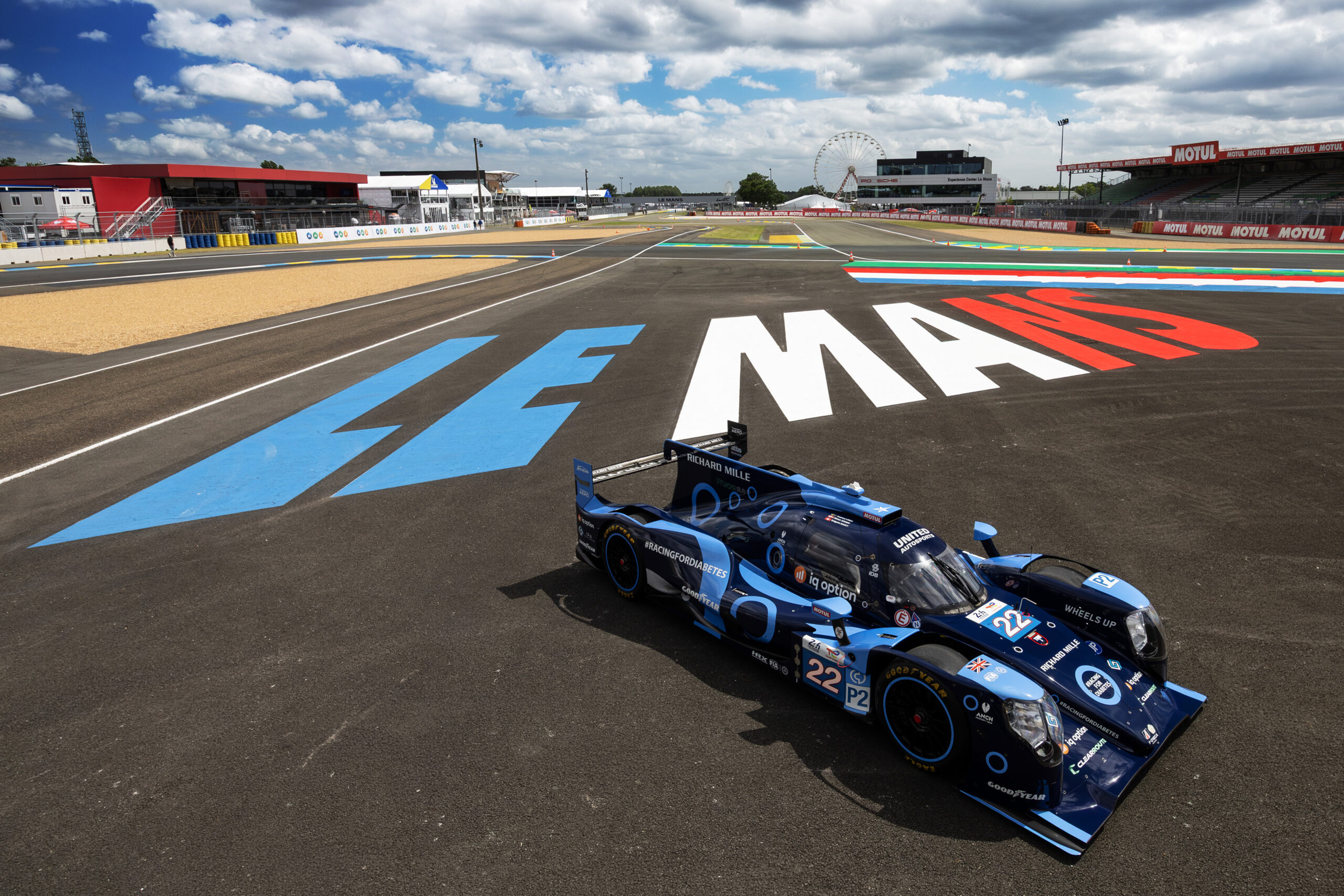
Following scrutineering, the team finally took to the 13.626km Circuit de la Sarthe for the Official Test Day which marks the first time the drivers take to the track. Over the 6 hour test sessions, close to 50 laps per car can be completed. These test days prove crucial, especially for Le Mans rookies such as Rasmus Lindh who had to complete a minimum of 10 laps, five of which must be timed to validate their participation. In addition, each driver completed a minimum of five laps in the following night time practice sessions to be eligible for the race.
Following practice sessions, United Autosports enjoyed a resilient Le Mans qualifying. The #22 Oreca, with Rasmus Lindh secured seventh on the grid for the LMP2 class following a late, crucial flying lap with a 3:37:564. Meanwhile, their sister car, the #222 entry, piloted by European Le Mans Series driver, Daniel Schneider safely navigated the highly contested field to qualify fifteenth with a 3:41:418, resulting in both of the teams LMP2’s qualify to Hyperpole One, where the top 15 cars in class advance and the bottom four set their starting position for the race.
McLaren Development Driver, Grégoire Saucy started H1 for the #22 and two time Le Mans winner, Oliver Jarvis for the #222. Saucy who set a 3:35:510 positioning the #22 driver line up P11 for the race, narrowly missing out on Hyperpole Two and Jarvis closely behind in P12 with a 3:35:688 completed the United Autosports starting positions for the race.
Following practice sessions, United Autosports enjoyed a resilient Le Mans qualifying. The #22 Oreca, with Rasmus Lindh secured seventh on the grid for the LMP2 class following a late, crucial flying lap with a 3:37:564. Meanwhile, their sister car, the #222 entry, piloted by European Le Mans Series driver, Daniel Schneider safely navigated the highly contested field to qualify fifteenth with a 3:41:418, resulting in both of the teams LMP2’s qualify to Hyperpole One, where the top 15 cars in class advance and the bottom four set their starting position for the race.
McLaren Development Driver, Grégoire Saucy started H1 for the #22 and two time Le Mans winner, Oliver Jarvis for the #222. Saucy who set a 3:35:510 positioning the #22 driver line up P11 for the race, narrowly missing out on Hyperpole Two and Jarvis closely behind in P12 with a 3:35:688 completed the United Autosports starting positions for the race.
Before the 94th 24 Hours of Le Mans commences, taking place on the eve of the weekend’s endurance battle, it provides a much-needed period of relief for teams to decompress from the pressures of qualifying while soaking in the community atmosphere at the driver’s parade. All entered drivers participate in a showcase through the city centre including United’s six pack of drivers where they’re transported in extraordinary classic and modern cars, giving spectators a double dose of automotive history. This year our crew enjoyed the cheers of the crowd handing out t-shirts with canon guns, transferable tattoos and other items, adding some light hearted fun and distraction from the impeding race.
Saturday 13th June 2026, the sun rises over the Circuit de la Sarthe for the 94th 24 Hours of Le Mans and pre-race rituals commence. From the grid walk, to national anthem where the grandstands fall silent, and then the iconic trophy being ridden in on horseback to sombre music, all setting the scene for the most famous race on the calendar. At 15:51 the formation lap began and at 16:00, the lights went out for the start of the 24 Hours of Le Mans.
At the quarter way point, pace was becoming reasonable for both cars, however, the #22 was a lap down due to an unfortunate timing with the safety car being deployed, a tough feat to try and claw back but the team never gave up.
Saturday 13th June 2026, the sun rises over the Circuit de la Sarthe for the 94th 24 Hours of Le Mans and pre-race rituals commence. From the grid walk, to national anthem where the grandstands fall silent, and then the iconic trophy being ridden in on horseback to sombre music, all setting the scene for the most famous race on the calendar. At 15:51 the formation lap began and at 16:00, the lights went out for the start of the 24 Hours of Le Mans.
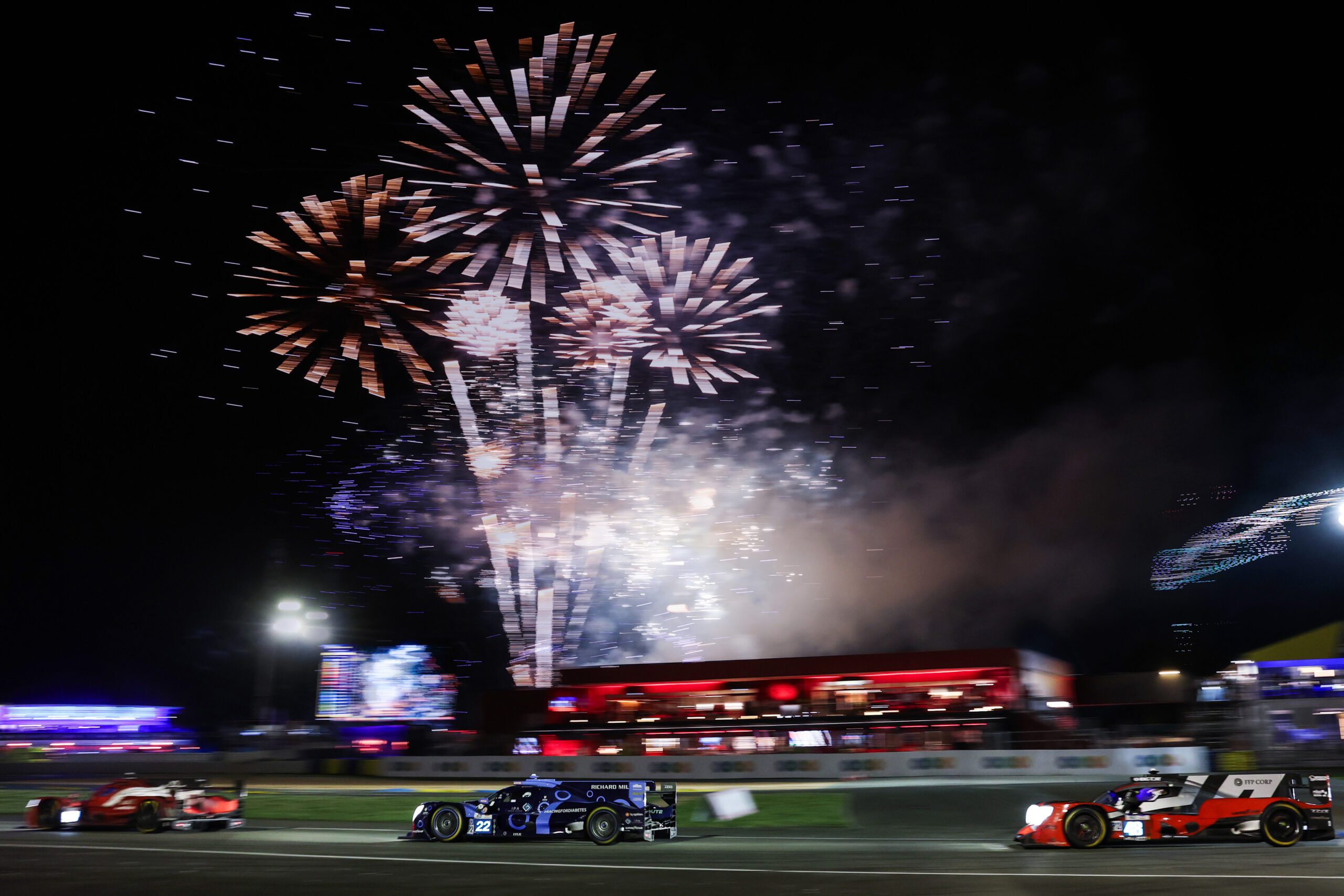
United Autosports endured a tough but determined race throughout the twice around the clock endurance classic. Ultimately, it was a challenging race for the United crew, struggling with top speeds, which made overtaking difficult. The laps went by and the sun was setting over the Circuit de la Sarthe, with the cars soaking up the tarmac and carrying out the regular pit stops for driver changes, refuels and new tyres.
At the quarter way point, pace was becoming reasonable for both cars, however, the #22 was a lap down due to an unfortunate timing with the safety car being deployed, a tough feat to try and claw back but the team never gave up.
Seven hours and 112 laps into the race, to add further dismay, the #222 with Oliver Jarvis behind the wheel, the crew had to prepare for an unplanned pit stop. There had been reports that there was a failure of the mandatory ADR ‘accident data recorder’. An onboard FIA box which reports if the car has sustained any significant impact. The ADR started flashing, indicating that the car had been subject to an impact, which it had not. The regulations enforce that the ADR must be working correctly, and at this point it wasn’t, and required replacing which meant the team were subject to an additional pit stop, out of the team’s control. The #222 returned to the race, seven laps behind the leading LMP2.
As the team started to make headway, sixteen hours in and on lap 241, the #22 crew experienced an issue with the suspension, where the team had to prepare for another unscheduled pit stop, Rasmus Lindh had to box the car for repair. The crew were exceptional in their response and lost circa ten minutes, all valuable time when competing at the highest level of endurance racing. The team remained resilient and the following two hours showed strong pace and clawed back some time. A safety car was deployed after the Manthey Porsche 911 in the GT3 category succumbed to impact with a barrier, which meant the teams both cars could gain back some time, however, the #22 was still two laps down at this point.
As the team started to make headway, sixteen hours in and on lap 241, the #22 crew experienced an issue with the suspension, where the team had to prepare for another unscheduled pit stop, Rasmus Lindh had to box the car for repair. The crew were exceptional in their response and lost circa ten minutes, all valuable time when competing at the highest level of endurance racing. The team remained resilient and the following two hours showed strong pace and clawed back some time. A safety car was deployed after the Manthey Porsche 911 in the GT3 category succumbed to impact with a barrier, which meant the teams both cars could gain back some time, however, the #22 was still two laps down at this point.
To the end of the race, the team’s pace was very strong, but Le Mans offers no mercy if you have issues early on in the race. Mikkel Jensen in the #22 car crossed the line P7 in class, whilst Oliver Jarvis bought the #222 also P7 in the Pro/Am category. Collectively the cars completed 712 laps, 9,701km and 62 pit stops over 24 hours of challenging conditions, no mean feat to say the least.
“It’s a tough one to swallow, to be honest. We came to Le Mans aiming for another class victory for our milestone tenth consecutive year at this fabled race, and the pace towards the end of the race was improving.” Says Richard Dean, United Autosports CEO and Team Principal. “Watching the drivers and crew put in such a brilliant shift and then you’re presented with issues, some of which are completely out of the team’s control is utterly heartbreaking and seem unfair. What I am incredibly proud of, though, is the sheer resilience and determination of this team. The mechanics, engineers, and our drivers should still be proud in what we accomplished here, having both cars complete the race is a monumental achievement in its own right, even more so without a single team or driver penalty. We’ve always had great pace at Le Mans, we need to identify what didn’t go our way this year, so we know there is work to be done, we will re-group and planning starts now for 2027. We didn’t get the result we had hoped for, especially given this year was the teams decade anniversary of competing at Le Mans, but we’re a force to be reckoned with and we will be back stronger next year in LMP2 and for the introduction of the McLaren Hypercar.”
“It’s a tough one to swallow, to be honest. We came to Le Mans aiming for another class victory for our milestone tenth consecutive year at this fabled race, and the pace towards the end of the race was improving.” Says Richard Dean, United Autosports CEO and Team Principal. “Watching the drivers and crew put in such a brilliant shift and then you’re presented with issues, some of which are completely out of the team’s control is utterly heartbreaking and seem unfair. What I am incredibly proud of, though, is the sheer resilience and determination of this team. The mechanics, engineers, and our drivers should still be proud in what we accomplished here, having both cars complete the race is a monumental achievement in its own right, even more so without a single team or driver penalty. We’ve always had great pace at Le Mans, we need to identify what didn’t go our way this year, so we know there is work to be done, we will re-group and planning starts now for 2027. We didn’t get the result we had hoped for, especially given this year was the teams decade anniversary of competing at Le Mans, but we’re a force to be reckoned with and we will be back stronger next year in LMP2 and for the introduction of the McLaren Hypercar.”

